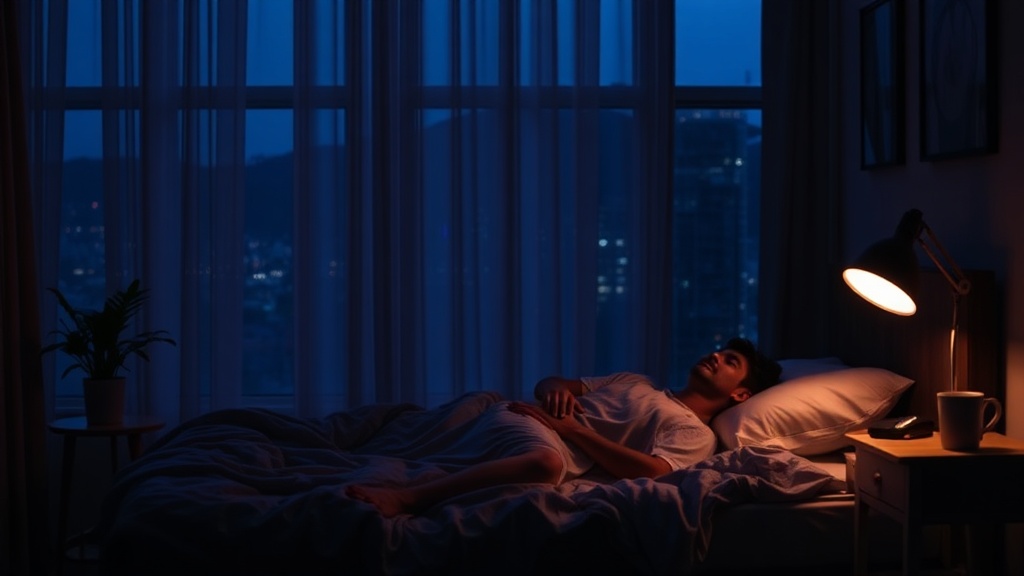
Small Changes to Your Evening Routine for Better Sleep

What you'll learn about evening wind-down methods
This post covers practical ways to transition from a high-speed workday to a restful state. We'll look at physical environment changes, digital habits, and sensory shifts that help signal to your body that it's time to rest. Instead of focusing on complex biological theories, we're looking at the actual, everyday things you can do in your living room or bedroom to feel less wired by 10:00 PM.
Most of us spend our final hours of alertness staring at bright screens or processing a never-ending stream of information. This doesn't just make it hard to fall asleep; it makes the sleep you do get feel lower in quality. By shifting a few small things in your nightly sequence, you can change how you feel when that alarm goes off the next morning.
Can you change your sleep by adjusting your lighting?
Lighting is one of the most direct ways to influence your body's internal clock. When the sun goes down, our environment should follow suit. If you're sitting under bright, overhead LED lights until the moment you hit the pillow, your brain thinks it's still mid-afternoon. This is a common mistake that keeps the mind racing.
Try switching to lamps with warmer tones around two hours before bed. Lowering the light levels can help your body prepare for rest. If you can't control the overhead lights in your space, even a small desk lamp with a warm bulb can make a difference. It's a simple shift that doesn't require much effort but has a noticeable impact on how relaxed you feel.
- Use warm-toned bulbs instead of cool-white LEDs.
- Turn off bright overhead lights an hour before bed.
- Use small, localized light sources like salt lamps or low-wattage floor lamps.
For more information on how light affects your circadian rhythm, you might find the research at Sleep Foundation helpful. It explains the connection between light exposure and sleep cycles in a way that's easy to grasp.
Is a digital detox actually necessary before bed?
We've all been there: you intend to check one last email, and suddenly it's forty-five minutes later and you're scrolling through a video feed. This "doomscrolling" isn't just a time-waster; the blue light from your phone mimics daylight, which can suppress your natural sleep signals. It's not just about the light, though—it's the mental stimulation. Reading a news headline or a heated social media thread keeps your brain in an active, reactive state.
Setting a hard boundary for digital use is a practical way to reclaim your evening. You don't have to go completely offline, but creating a "no-phone zone" in your bedroom can be a massive win. If you use your phone as an alarm, try buying a basic digital clock instead. It removes the temptation to pick up the device the second you wake up or right before you drift off.
"The goal isn't to be a monk; it's to create a buffer between the noise of the world and your own rest."
If you find it hard to put the phone down, try setting your device to grayscale mode in the evening. Making the screen less visually interesting can make the act of scrolling feel much less rewarding. This is a subtle trick that helps break the dopamine loop.
How can you prepare your space for better rest?
Your physical surroundings dictate how much your brain can truly relax. A cluttered room often leads to a cluttered mind. If your nightstand is covered in half-empty water glasses, old receipts, and loose change, it's just one more thing for your eyes to process. A quick five-minute tidy-up in the evening can make your sleeping area feel much more inviting.
Temperature also plays a huge role. Most people sleep better in a slightly cooler room. If your bedroom is sweltering, your body will struggle to enter deep sleep. You might want to look into the specific temperature ranges recommended by experts. The Mayo Clinic offers great advice on sleep hygiene and environmental factors that can improve your rest.
| Factor | Adjustment |
|---|---|
| Temperature | Keep the room between 60-67°F (15-19°C) |
| Light | Dim lights or use blackout curtains |
| Sound | Use white noise or earplugs if needed |
| Clutter | Clear the surfaces near your bed |
Beyond the room itself, think about your sensory inputs. A heavy blanket or a specific scent like lavender can become a mental trigger. When you experience these things, your brain learns that these sensations mean "sleep time." It's about building a set of cues that lead you toward rest, rather than trying to force it to happen through sheer willpower.
Finally, consider your evening food and drink. While a heavy meal might feel comforting, it can actually disrupt your sleep quality as your body works hard to digest. Similarly, even a small amount of caffeine in the late afternoon can stay in your system much longer than you think. Opting for herbal tea or just warm water can be a much gentler way to end the day.